

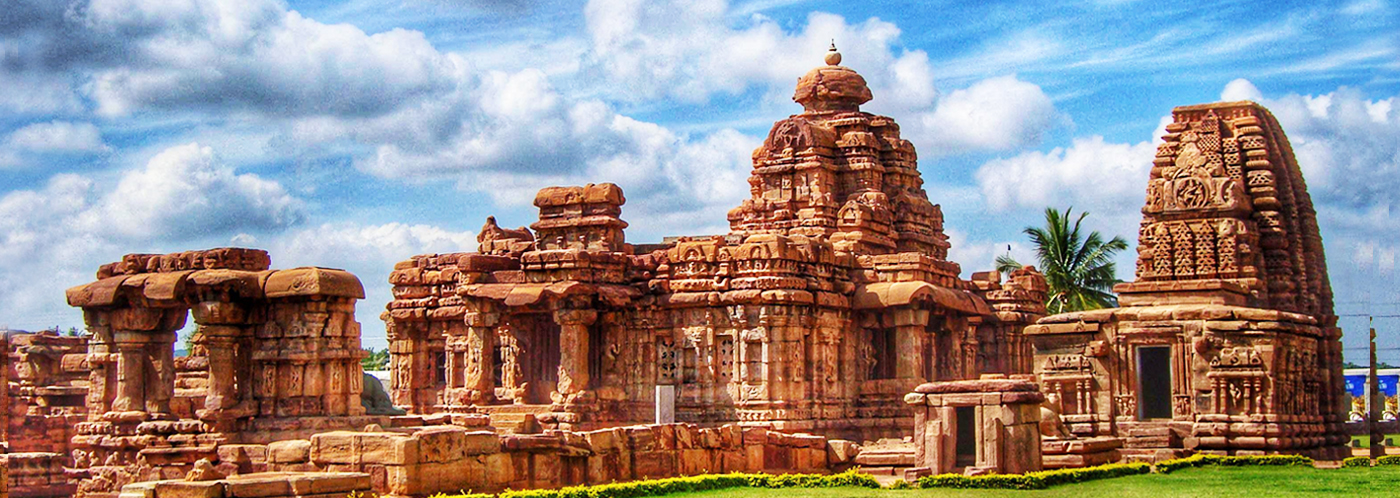
Pattadakal


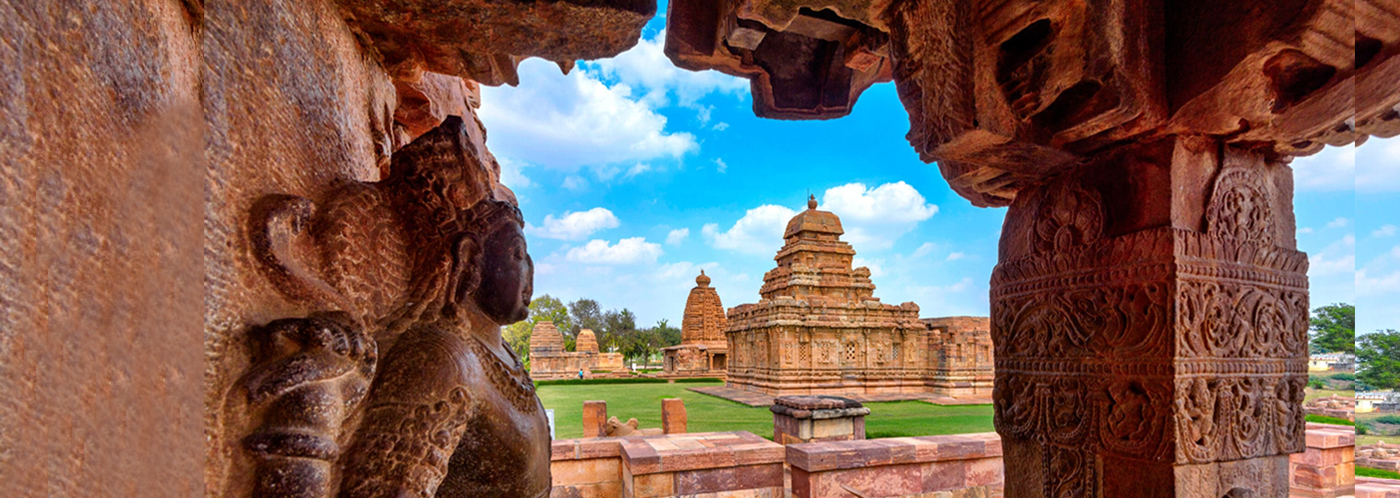
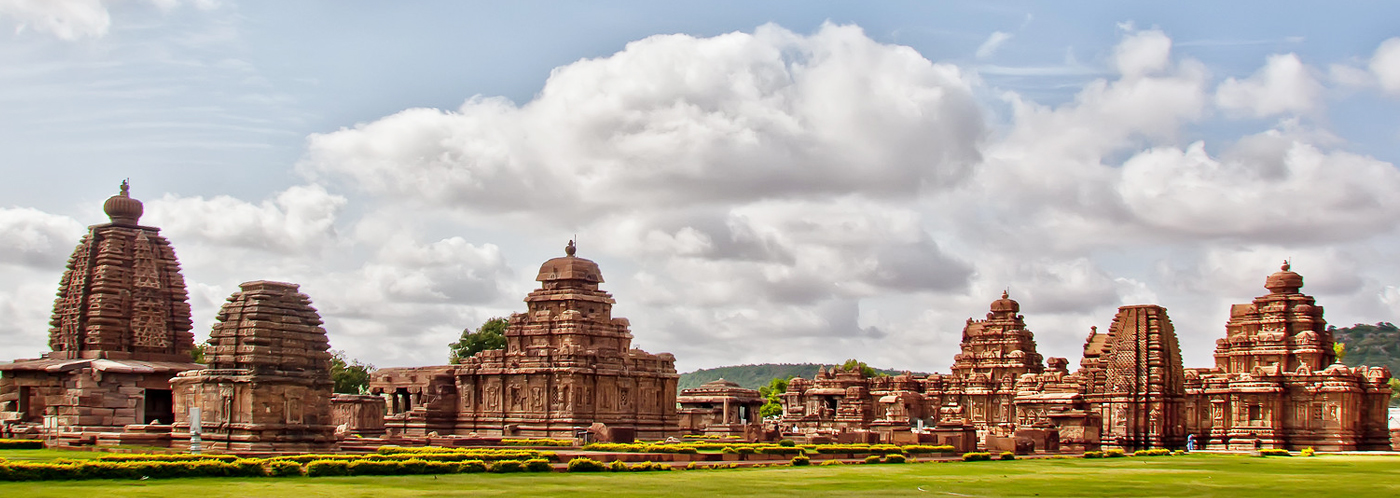
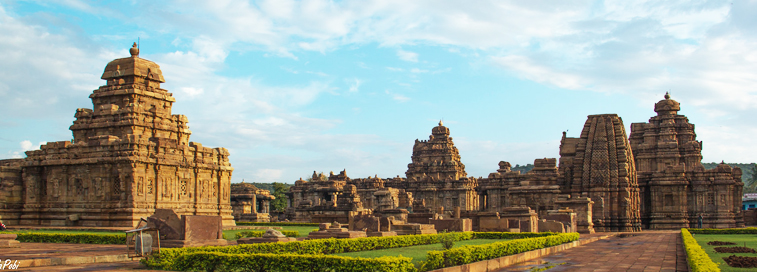
Pattadakal is one of the most important heritage destinations in Karnataka and a UNESCO World Heritage Site, known for its exceptional Chalukyan temple architecture dating back to the 7th and 8th centuries. Located on the tranquil banks of the Malaprabha River, Pattadakal was the ceremonial center where Chalukya kings were crowned, giving the site immense historical significance.
Architectural Significance
What makes Pattadakal unique is the harmonious fusion of Dravidian (South Indian) and Nagara (North Indian) architectural styles, reflecting the Chalukyas’ artistic vision and religious tolerance. The temples are built primarily in sandstone and are renowned for their symmetry, intricate carvings, and narrative sculptures.
Major Monuments to Explore
- Virupaksha Temple – The largest and most ornate temple, known for its detailed panels depicting scenes from the Ramayana and Mahabharata.
- Mallikarjuna Temple – Similar in design to Virupaksha but slightly smaller, built to commemorate a royal victory.
- Sangameshwara Temple – One of the earliest temples, showcasing simple yet powerful architectural elements.
- Papanatha Temple – A fine example of mixed architectural styles, with beautifully carved ceilings and pillars.
- Kashi Vishwanatha & Galaganatha Temples – Represent the Nagara style with distinctive curvilinear towers.
- Jain Narayana Temple – Highlights the Jain influence and religious diversity of the period.
Cultural & Historical Experience
The sculptural panels vividly portray gods, goddesses, dancers, musicians, and mythological scenes, offering insight into the social, cultural, and religious life of ancient India. Walking through the complex feels like an open-air museum of early Indian temple art.
A Pattadakal tour promises a timeless journey into India’s architectural brilliance and spiritual legacy, making it a must-visit destination on any South Indian heritage itinerary.