

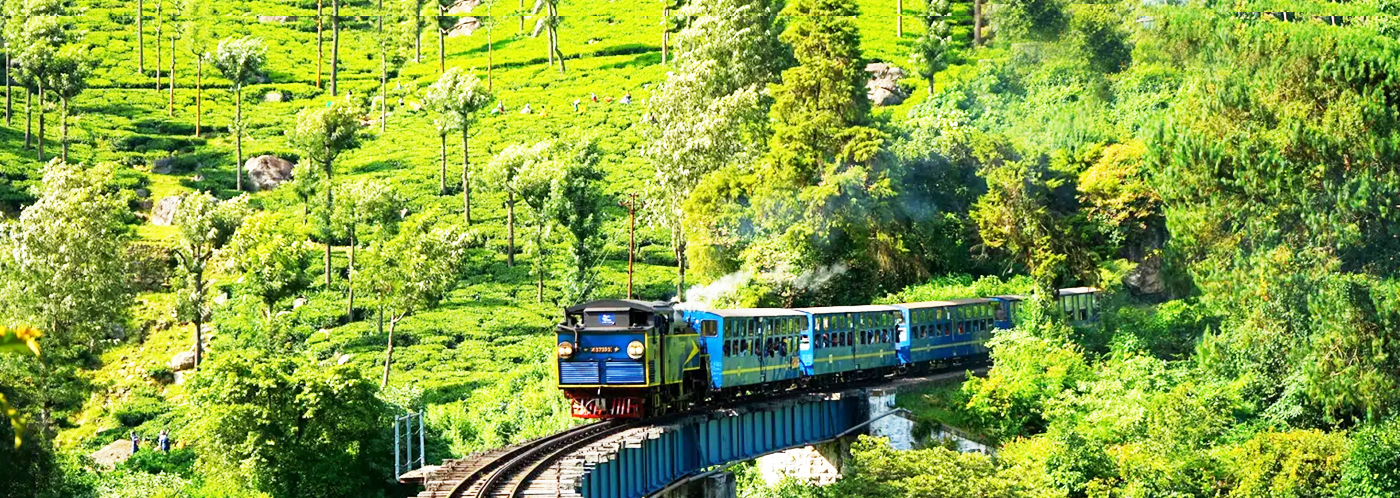
Rails of the Nilgiris
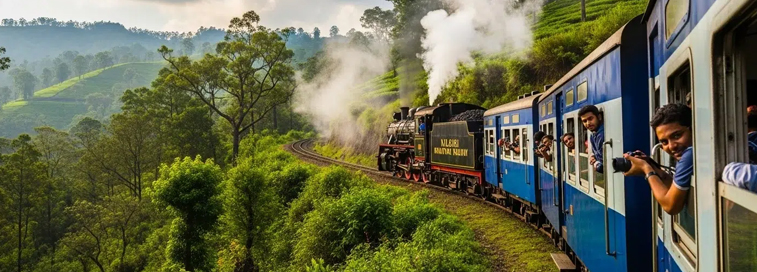
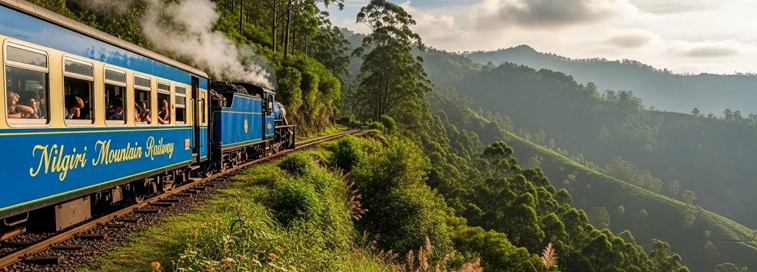
The Nilgiri Mountain Railway (NMR) is one of India’s most celebrated heritage rail journeys and a proud UNESCO World Heritage Site. Built during the British era and opened in 1908, this narrow-gauge railway connects the plains town of Mettupalayam in Tamil Nadu with the hill resort of Ooty, climbing deep into the Nilgiri Hills through some of the most dramatic railway terrain in the country.
Engineering Marvel of the Nilgiris
The railway covers a distance of about 46 km, rising sharply from 326 metres above sea level at Mettupalayam to 2,203 metres at Ooty. What makes this journey extraordinary is its use of the rack-and-pinion system between Mettupalayam and Coonoor. This system, unique in India, allows the train to safely negotiate extremely steep gradients—some as steep as 1 in 12.5—that would be impossible for conventional railways.
Specially designed locomotives grip a toothed rail laid between the tracks, slowly hauling the train uphill and carefully controlling its descent. The train’s unhurried pace adds to the charm, allowing passengers to fully absorb the surrounding landscape.
A Journey Through Changing Landscapes
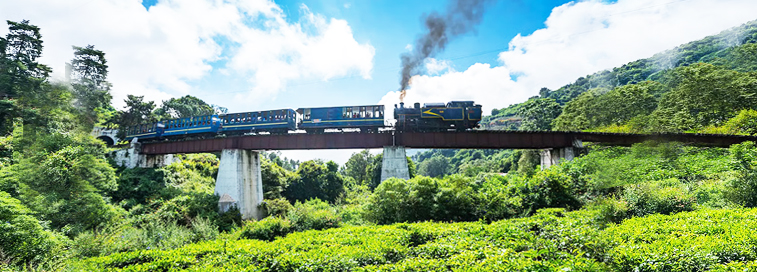
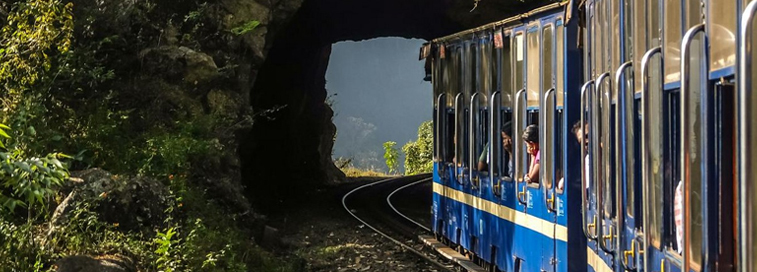
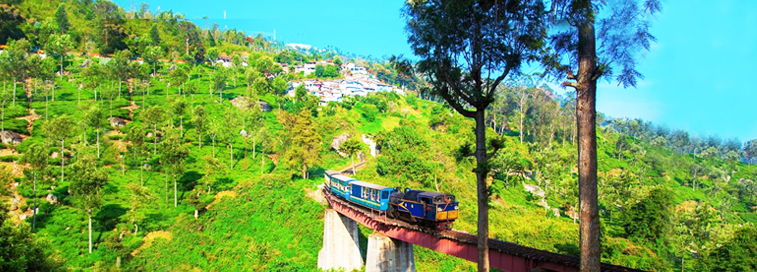
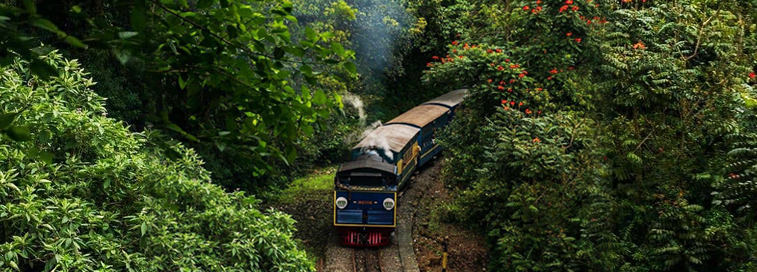
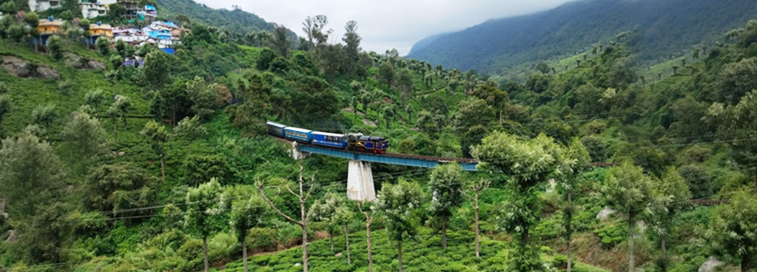
As the train leaves Mettupalayam, it gradually enters a world of thick tropical forests, rocky cuttings, and deep ravines. The route passes through 16 tunnels, over 250 bridges, and around countless curves carved into the mountainside. Waterfalls, mist-covered slopes, eucalyptus groves, and tea gardens unfold as the altitude increases.
The scenery changes noticeably after Coonoor, where rolling tea plantations dominate the landscape and the gradients ease. Colonial-era stations such as Kallar, Lovedale, and Coonoor retain their old-world charm, with stone buildings, wooden benches, and station nameboards frozen in time.
Steam, Diesel, and Nostalgia
One of the highlights of the Nilgiri Mountain Railway is its historic steam locomotives, which are still used on select sections, especially between Mettupalayam and Coonoor. The sight of steam billowing through tunnels and forested curves evokes a strong sense of nostalgia. Diesel locomotives are also used, particularly on the upper sections of the route.
The coaches, painted in classic blue and cream, feature large windows perfect for photography and sightseeing, making the journey as memorable as the destination.
Cultural and Tourism Significance
More than just a train ride, the Nilgiri Mountain Railway is a living museum of colonial engineering and hill-station culture. It has played a crucial role in the development of Ooty and surrounding towns, carrying people, goods, and stories for over a century.
Today, it is favourite among heritage enthusiasts, photographers, slow travellers, and families, offering a relaxed alternative to the winding hill roads. The journey beautifully reflects Ooty’s timeless appeal—cool weather, quiet charm, and scenic elegance.
In Essence
The Nilgiri Mountain Railway is not about speed or convenience; it is about experience. From the rhythmic climb of the rack railway to the ever-changing mountain views, every moment celebrates patience, craftsmanship, and the romance of rail travel. Traveling from Mettupalayam to Ooty on this historic train is truly a journey where the ride itself becomes the destination.